How to Find Safe Places to Sleep in Your Campervan
July 20, 2026 · roadlifer
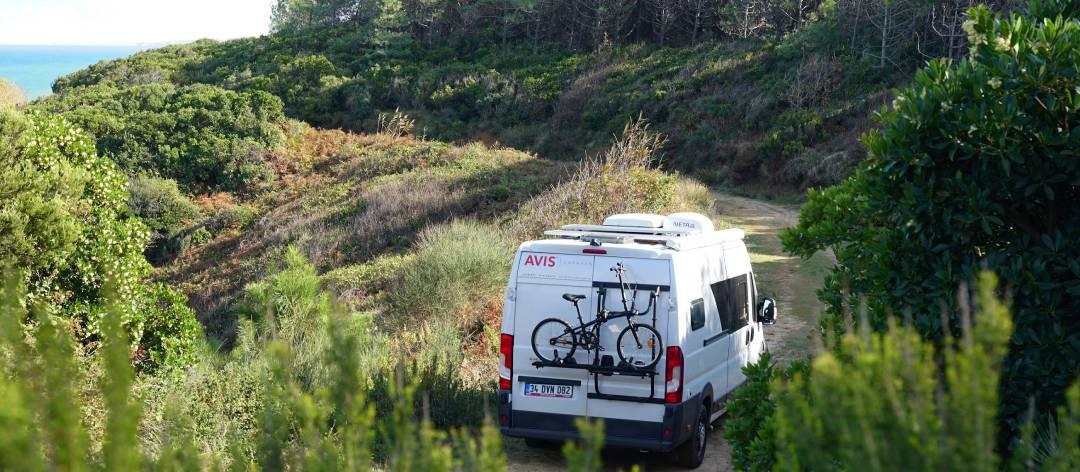
Where am I sleeping tonight is the question every van lifer faces every afternoon. Here is the exact routine I use to find a safe place to sleep in a campervan, from when to start looking to the signs that tell me to move on.
The hardest part of van life isn't the driving or cooking in a space the size of a cupboard. It's the question that shows up every afternoon around four o'clock: where am I sleeping tonight? Get it right and you wake up to a view most people only see in photos. Get it wrong and you get a knock on the window at 2am. After a few years of doing this, I've turned finding a spot from a nightly scramble into a routine. Here is how it works.
Start looking earlier than you think
My single biggest fix was to stop searching at sunset. Hunting for a spot in the dark is how you end up parked somewhere sketchy, simply because you are tired and out of options. I start looking around mid-afternoon, while I still have daylight and choices. If the first place feels wrong when I arrive, I have time to drive on to a second or a third. That buffer is the whole game. A spot you chose calmly at 3pm is almost always better than one you settled for at 10pm.
Know the four types of spot
Almost everywhere you can legally sleep falls into one of four buckets, and each comes with its own rules and its own price:
- Official campsites and aires: you pay, but you get water, waste disposal, and zero doubt about whether you are allowed to be there. Worth it when you need to reset.
- Rest areas and service stops: usually fine for a single night if the signs allow it. Practical, rarely scenic, and handy on a long driving day.
- Tolerated free spots: car parks, trailheads, and quiet corners where nobody minds a van overnight, as long as you keep a low profile and leave early.
- Wild spots: the ones that make the photos. Also the ones with the strictest local rules, so check before you commit.
The mistake beginners make is treating all four the same. A trailhead is not a campsite, and behaving like it is is exactly how these places get closed off.
Read the spot before you trust it
When I pull in, I take two minutes before I even turn off the engine. I look for signs, first and most obviously, because a small "no overnight parking" plate saves you a lot of grief later. I check whether other vans are around, since a couple of quiet campers usually means the spot is tolerated. I look at the ground, because soft grass and mud will hold your wheels after a night of rain. And I always note how I would get out in a hurry, nose-first, without a three-point turn in the dark.
The signs that tell you to leave
Some spots look fine and still are not worth it. I move on when I see broken glass in the parking area, which often means break-ins have happened there. I move on when a place feels too isolated, the kind of quiet where you would rather not be alone. And I move on when parking would block a gate, a driveway, or a working track, because being the van that annoys a local farmer is how a welcoming area turns unwelcoming for everyone after you.
Let other people do the scouting for you
The fastest way to find a good spot is to use one that somebody has already checked. This is the whole reason apps like Roadlifer exist: a map of places other road-lifers have actually slept, with photos, reviews, and even break-in reports, so you know what you are rolling into before you commit. Instead of gambling on a pin from a satellite view, you get the honest version from people who parked there last week. On a night when the weather is closing in and you just want somewhere safe, that is worth more than any five-star rating.
Leave it good for the next person
Finding great spots and keeping them are the same skill. Every place you sleep is one that somebody has to be able to use after you, so the quiet, tidy, low-profile way you behave is what keeps it open. If you want the practical version of that, I wrote a whole guide on it here: wild camping etiquette.
Do this for a few weeks and the nightly panic disappears. You stop hoping a spot works out and start knowing, before you arrive, that it will. That shift is what makes the whole life feel easy instead of stressful. Safe travels, and see you out there.